
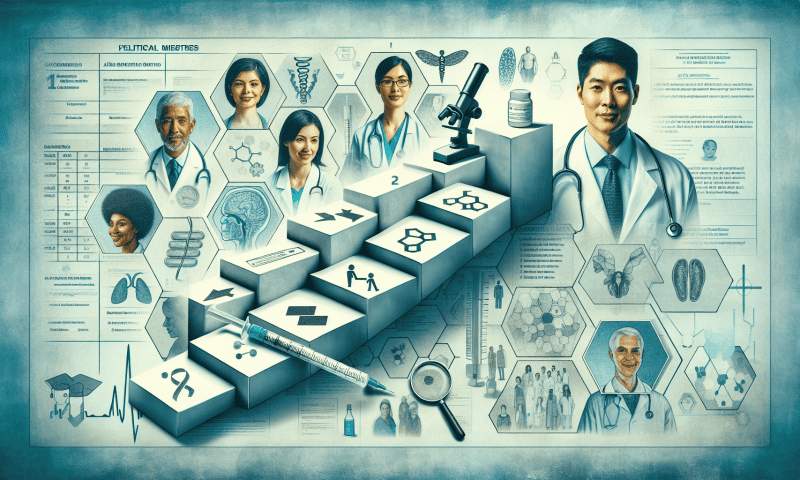
The landscape of modern healthcare continues to evolve at an unprecedented pace, driven by remarkable scientific achievements and technological innovations. Each clinical milestone represents not just a moment of triumph for researchers and medical professionals, but a beacon of hope for millions of patients worldwide who depend on advancing medical science for better health outcomes.
From breakthrough gene therapies to revolutionary diagnostic tools, the impact of clinical achievements extends far beyond laboratory walls. These pivotal moments in medical history are reshaping how we prevent, diagnose, and treat diseases, creating ripple effects that touch every corner of the global healthcare ecosystem.
Breakthrough Therapies Redefining Treatment Standards
Recent years have witnessed an extraordinary surge in therapeutic innovations that represent significant clinical milestones in medicine. Gene editing technologies like CRISPR-Cas9 have moved from experimental concepts to approved treatments, offering hope for patients with previously incurable genetic disorders. The successful development of CAR-T cell therapies has transformed cancer treatment, with some patients achieving complete remission from aggressive blood cancers.
Immunotherapy has emerged as another game-changing clinical milestone, fundamentally altering the oncology landscape. These treatments harness the body’s immune system to fight cancer cells, providing new options for patients who previously had limited therapeutic choices. The approval of checkpoint inhibitors and other immunomodulatory drugs has led to improved survival rates across multiple cancer types.
Additionally, the rapid development of mRNA vaccines has demonstrated the potential for accelerated vaccine development, setting new standards for responding to emerging infectious diseases. This technology platform continues to show promise for treating various conditions beyond infectious diseases, including certain types of cancer.
Digital Health Innovations Transforming Patient Care
The integration of digital technologies into healthcare represents a transformative clinical milestone that is revolutionizing patient care delivery. Artificial intelligence and machine learning algorithms are now assisting physicians in making more accurate diagnoses, predicting treatment outcomes, and identifying patients at risk for specific conditions.
Telemedicine platforms have expanded access to healthcare services, particularly benefiting patients in remote or underserved areas. These digital solutions have proven especially valuable in managing chronic conditions, mental health services, and follow-up care, reducing the burden on traditional healthcare facilities while improving patient convenience and outcomes.
Wearable devices and remote monitoring technologies are generating unprecedented amounts of real-world health data, enabling healthcare providers to track patient health continuously rather than relying solely on periodic clinical visits. This continuous monitoring capability represents a significant shift toward preventive and personalized medicine approaches.
Precision Medicine Advancing Personalized Treatment Approaches
The evolution of precision medicine stands as a remarkable clinical milestone that is fundamentally changing how medical professionals approach patient care. By analyzing individual genetic profiles, lifestyle factors, and environmental influences, healthcare providers can now tailor treatments to specific patient populations and even individual patients.
Pharmacogenomics has enabled clinicians to predict how patients will respond to certain medications based on their genetic makeup, reducing adverse drug reactions and improving treatment efficacy. This approach is particularly beneficial in oncology, where tumor genetic profiling helps identify the most effective targeted therapies for specific cancer types.
Biomarker discovery has accelerated drug development processes and improved patient stratification in clinical trials. These molecular signatures help researchers identify which patients are most likely to benefit from specific interventions, leading to more successful clinical outcomes and more efficient use of healthcare resources.
Global Health Initiatives Expanding Medical Access
International collaboration and technology transfer have created significant clinical milestones in global health equity. Innovative drug development programs are bringing life-saving medications to low- and middle-income countries at affordable prices, addressing previously neglected diseases and conditions.
Mobile health initiatives are leveraging smartphone technology to deliver healthcare services in resource-limited settings. These programs include everything from diagnostic applications to treatment adherence monitoring, dramatically expanding the reach of quality healthcare services.
The establishment of global research networks has accelerated the pace of medical discovery by enabling researchers to share data, collaborate on large-scale studies, and validate findings across diverse populations. This collaborative approach ensures that each clinical milestone achieved has broader applicability and impact across different healthcare systems and patient populations.
The trajectory of medical advancement shows no signs of slowing, with each clinical milestone building upon previous achievements to create an increasingly sophisticated and effective healthcare landscape. These innovations continue to push the boundaries of what is possible in medicine, offering new hope for patients while simultaneously addressing global health challenges. As we move forward, the integration of emerging technologies with established medical practices promises to deliver even more transformative clinical achievements that will benefit patients worldwide for generations to come.