
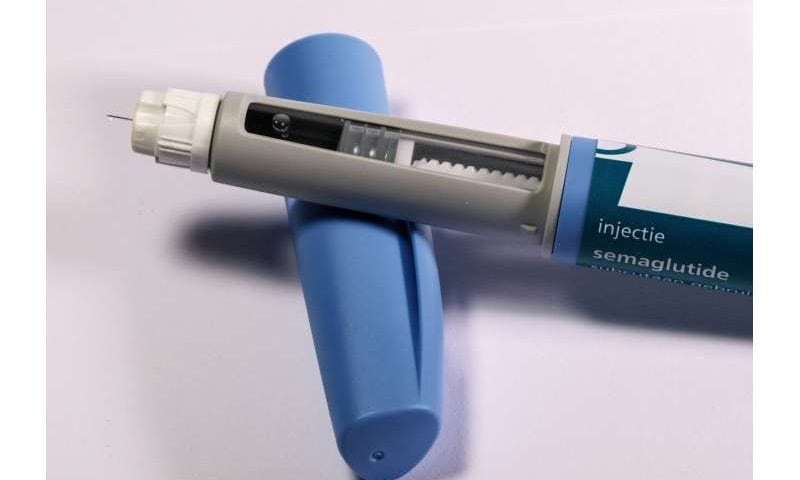
A multicenter collaboration of Danish researchers reports that once-weekly semaglutide for 30 weeks lowered blood sugar levels and body weight and improved physical quality of life in antipsychotic-treated adults with schizophrenia and prediabetes.
Cardiometabolic illness cuts life expectancy in schizophrenia, with lifestyle risks and barriers to physical care adding to the burden. Second-generation antipsychotics can accelerate weight gain and impair glucose tolerance.
Previous trials of GLP-1 receptor agonists in psychiatric populations tested shorter courses or different agents and left a need for options that address glycemia and weight while preserving psychiatric stability.
In the study, “Semaglutide Treatment of Antipsychotic-Treated Patients With Schizophrenia, Prediabetes, and Obesity: The HISTORI Randomized Clinical Trial,” published in JAMA Psychiatry, researchers conducted a placebo-controlled, double-blinded randomized clinical trial to test whether semaglutide improves glycemic control, weight, and quality of life in this population.
Enrollment included 154 adults aged 18–60 years receiving second-generation antipsychotics across two Danish regions, with 141 completing 30 weeks. A randomization schedule was provided by the drug manufacturer, Novo Nordisk, along with semaglutide and a placebo.
Intervention used once-weekly subcutaneous semaglutide or placebo for 30 weeks with an eight-week titration to 1.0 mg or highest tolerated dose.
Visits and assessments took place primarily in participants’ homes. The primary outcome was change in blood sugar levels (HbA1c). Secondary outcomes included body weight, fasting glucose, lipid measures, and schizophrenia symptoms based on Positive and Negative Syndrome Scale–6 (PANSS-6), and SF-36v2 physical and mental component scores.
Results showed an HbA1c reduction of 0.46% of total hemoglobin versus placebo at week 30, with a significant effect visible at week 15 and was maintained through the final on-treatment assessment at week 30.
Body weight fell by 9.21 kg versus placebo at week 30. An HbA1c below 5.7% occurred in 81% on semaglutide versus 19% on placebo. HDL rose by 10.81 mg/dL and triglycerides decreased by 29.20 mg/dL.
An inconsistent significance in the triglyceride decrease introduces a red flag that needs to be explained by the study authors.
The study reports the data as a decrease of -29.20 mg/dL (95% CI, -55.75 to 2.65; P = .03), which cannot be correct as a CI that crosses 0 should not have a P value below .05. It is likely a sign error (-2.65 vs. the printed +2.65), though it appears in multiple locations in the study along with several reversals of CI upper and lower bound orders.
Physical quality of life improved by 3.75 points. Mental quality of life and PANSS-6 scores showed no significant between-group differences. Gastrointestinal symptoms appeared more often with semaglutide early in treatment and improved over time. Serious adverse effects did not differ between groups.
Authors conclude that semaglutide at 1.0 mg weekly for 30 weeks was safe in this cohort, improved glycemia and weight, and enhanced physical well-being without psychiatric deterioration.
Findings suggest a candidate therapy for SGA-treated patients with schizophrenia, prediabetes, and obesity, with authors noting that the potential for weight loss and prevention of type 2 diabetes may justify treatment cost.