
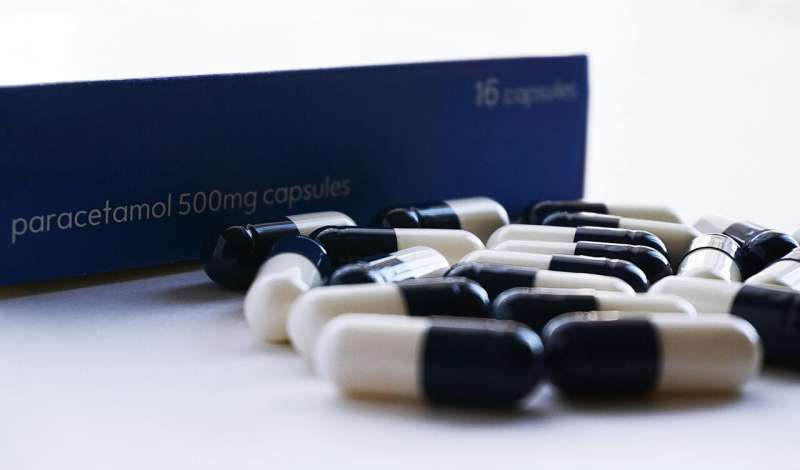
Acetaminophen, which also goes by names like paracetamol or Tylenol, is a common over-the-counter pain reliever and fever reducer. It is often prescribed during pregnancy to help with mild to moderate pain. Recently, there has been a lot of discourse about its safety. Claims have been made suggesting that taking acetaminophen during pregnancy may increase the likelihood of autism in children.
A large study from Denmark adds clarity to this debate, finding no increased risk of autism in children exposed to acetaminophen before birth. These results were consistent across both the general population analysis and sibling-matched comparisons, and did not vary with the timing or dosage of exposure. The findings are published in JAMA Pediatrics.
Risk or no risk
Public concern over whether taking acetaminophen during pregnancy could increase autism risk quickly moved into the spotlight—dominating news channels, newspapers, and social media. The debate became so intense that in September 2025, the U.S. Food and Drug Administration advised clinicians to consider limiting its use for routine low-grade fevers during pregnancy.
Yet the scientific evidence remained conflicted—some studies have reported a small risk, while others have found no link at all. A large study from Sweden initially reported a slight rise in autism risk when analyzing the general population. However, when the same researchers compared siblings within the same families—a method that accounts for shared genetic and environmental factors—the apparent link disappeared.
A sibling-matched analysis is a research method that scientists use to compare siblings from the same family to better understand how a particular exposure affects an outcome. Since siblings share many of the same genes and a common home environment, this approach helps account for hidden factors that might otherwise influence the results.
In search of more definitive evidence, the researchers carried out a nationwide cohort study in Denmark. They examined all children born from single pregnancies between 1997 and 2022, using official national health records to follow more than 1.5 million children over time. The analysis focused only on children who were alive at age one and excluded cases with missing data or conditions already known to be linked to autism.
The researchers found that taking acetaminophen during pregnancy is not linked to an increased risk of autism in children. The findings were the same for the general population and siblings comparisons. The adjusted hazard ratio—a measure of relative risk between two groups—was close to 1, indicating no increased risk.
The study closely examined both the amount of medication taken—low, medium, or high—and the stage of pregnancy during which it was used, covering each trimester. Across all these variations, the team found no evidence of an increased risk.
These findings could help ease anxiety among parents while also giving medical practitioners the evidence they need to clearly explain to patients and support their informed decision-making.