
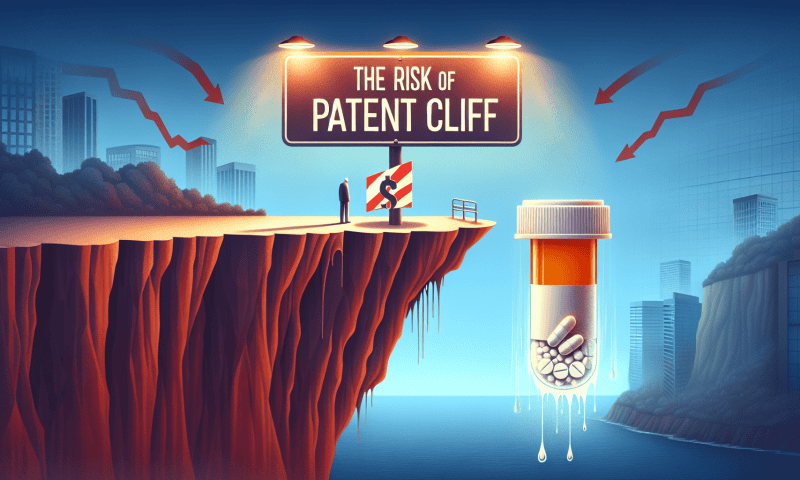
When pharmaceutical giants lose patent protection on their blockbuster drugs, the resulting market turbulence often overshadows a critical reality: patent cliff risk frequently creates exceptional investment opportunities for those who know where to look. While conventional wisdom suggests avoiding biotech stocks facing patent expirations, sophisticated investors understand that these periods of uncertainty can generate outsized returns for those willing to dig deeper.
The pharmaceutical industry operates on a predictable cycle where companies enjoy monopoly pricing during patent protection, followed by dramatic revenue declines when generic competitors enter the market. This patent cliff risk typically results in stock price volatility that extends far beyond the actual financial impact, creating a disconnect between market perception and underlying value. For biotech investors, these moments represent potential entry points into fundamentally sound companies trading at significant discounts.
Consider the broader market dynamics at play when patent cliff risk materializes. Institutional investors often implement blanket selling strategies based on algorithmic models that prioritize risk avoidance over nuanced analysis. This mechanical approach to portfolio management means that companies with robust pipelines, strong balance sheets, and diversified revenue streams get swept up in the same selling pressure as those genuinely facing existential threats. The result is a temporary mispricing that creates alpha-generating opportunities for investors who conduct thorough due diligence.
Pipeline Depth Separates Winners from Losers
The key to successful navigation of patent cliff risk lies in understanding which companies have built sustainable competitive advantages beyond their expiring patents. Leading biotech firms typically maintain robust research and development pipelines with multiple drug candidates at various stages of clinical trials. These pipeline assets often remain undervalued during patent cliff periods, as market participants focus heavily on near-term revenue pressures while discounting future cash flows from promising therapeutic candidates.
Furthermore, companies experiencing patent cliff risk often use this period as a catalyst for strategic transformation. Management teams may pursue aggressive cost-cutting measures, strategic partnerships, or acquisition opportunities that ultimately strengthen their competitive position. The temporary pressure created by patent expirations can drive innovation and operational efficiency improvements that benefit long-term shareholders, even as short-term oriented investors flee to safer alternatives.
Biotech companies with strong intellectual property portfolios beyond their flagship drugs frequently emerge from patent cliff periods in stronger positions than before. They often use the transition period to launch next-generation formulations, expand into new therapeutic areas, or develop combination therapies that extend their market leadership. These strategic initiatives require time to generate results, creating an information asymmetry that favors patient investors over those focused exclusively on quarterly earnings.
Market Timing and Valuation Opportunities
The temporal nature of patent cliff risk also plays a crucial role in investment timing. Companies typically begin experiencing stock price pressure years before actual patent expirations, as analysts and algorithmic trading systems price in future revenue declines well in advance. This extended selling pressure often creates multiple buying opportunities as stocks decline in stages rather than in a single dramatic drop.
Successful biotech investors develop systematic approaches to evaluating patent cliff risk that go beyond simple patent expiration dates. They analyze factors such as generic competition intensity, potential for authorized generics, international patent protection variations, and regulatory exclusivity extensions. This comprehensive analysis allows them to identify situations where market fears exceed actual business risks, creating asymmetric risk-reward profiles.
Patent cliff risk in biotech represents a classic example of how market efficiency breaks down during periods of uncertainty and emotion-driven selling. While the risks are real and substantial, they are also largely predictable and quantifiable. For investors equipped with the right analytical framework and the patience to wait for market sentiment to normalize, patent cliffs often mark the beginning of significant value creation rather than destruction. The key lies in distinguishing between temporary market turbulence and permanent value impairment, a skill that separates successful biotech investors from the crowd.